

Latest Announcement
About Us
Centre for Promotion of Additive Manufacturing – Agri & Food Processing (CPAM-AG&FP)
This project brings together advanced agriculture, food science, and manufacturing to create the next generation of nutritious 3D-printed food. By integrating optimized agri-production, nutrient-rich food ink development, precision 3D food printing, and innovation-driven market strategies, the initiative aims to deliver frozen, customized, and nutritionally enriched food products. Through the collaborative expertise of leading institutions, the project is building a technology-driven ecosystem that transforms agricultural produce into smart, sustainable, and personalized food solutions for the future.
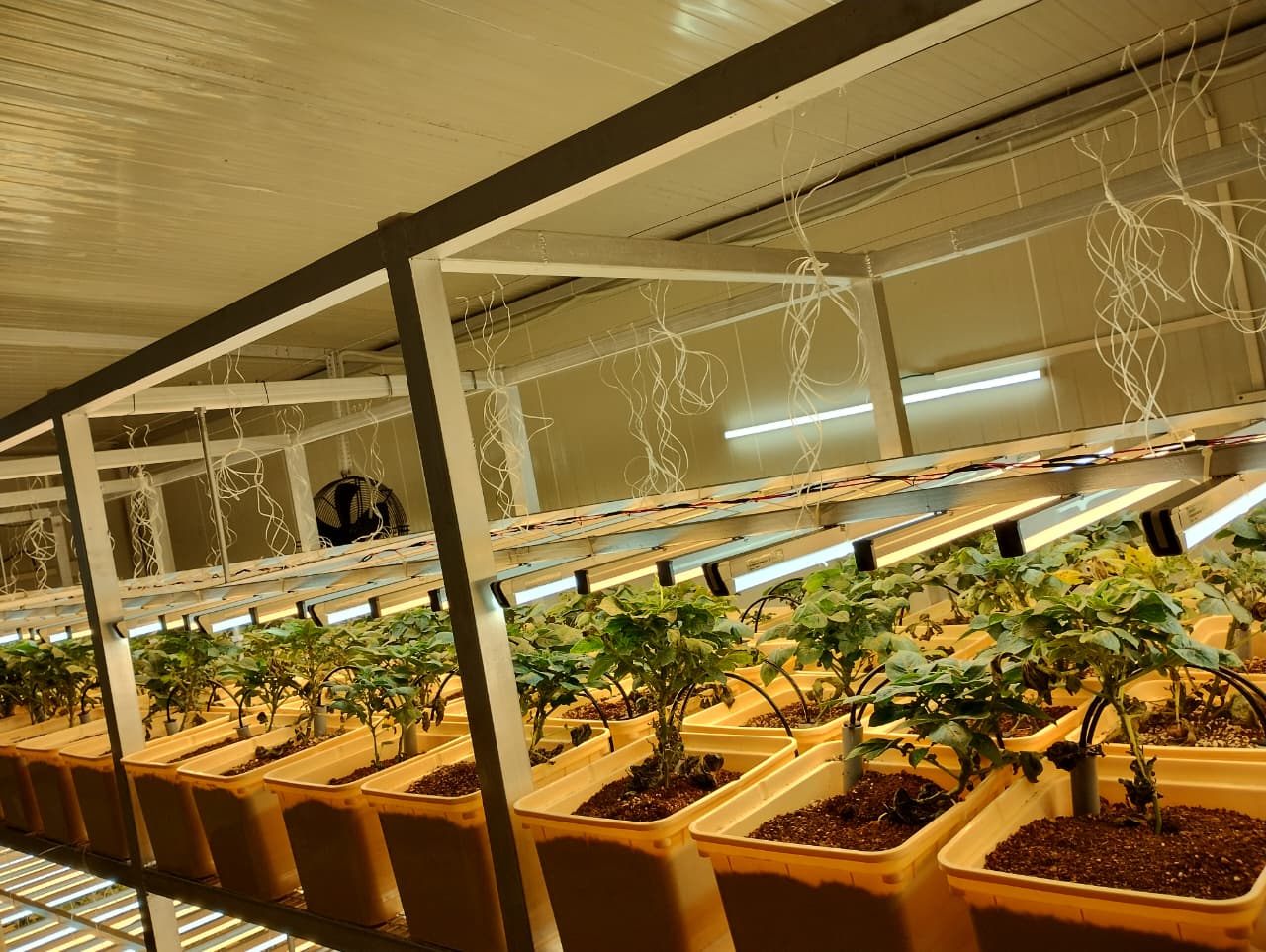
Vertical Agri-Produce Line
Frozen Food Line
Medical Nutrition
SME Scale up of Technology
Success Story
Milestones of the CPAM-AG&FP Initiative
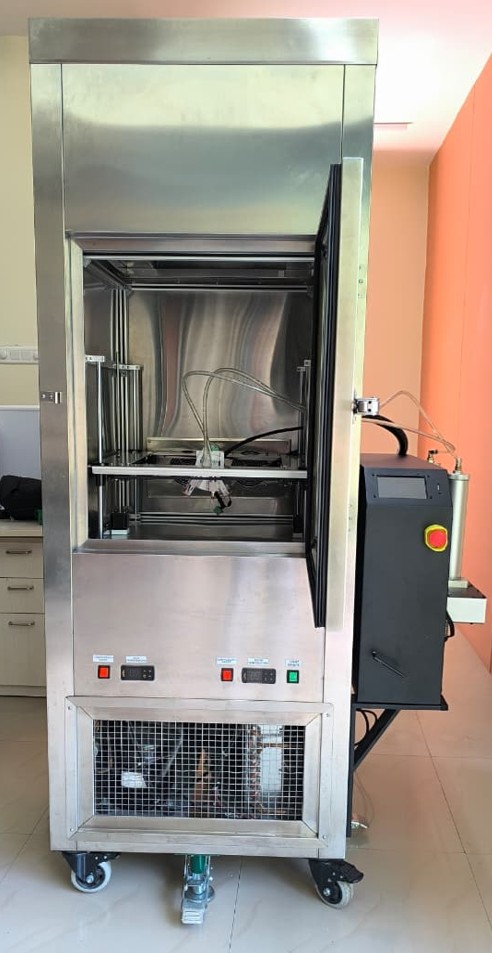
Developed Food Printing Machine for Frozen Food
A specialized 3D Food Printing Machine for Frozen Foods has been developed to enable precise shaping and automated production of frozen food items. The system ensures consistent portion control, improved product aesthetics, and efficient large-scale production. By combining advanced extrusion technology with controlled freezing conditions, the machine can create customized frozen food designs while maintaining quality, texture, and nutritional integrity.
Developed Food Printing Machine for Medical Food
A 3D Food Printing Machine for Medical Nutritional Grade Food has been designed to produce customized meals tailored to specific dietary and medical needs. The technology enables precise control over ingredients, texture, and nutrient composition, making it ideal for patients requiring specialized nutrition such as the elderly, children, or individuals with swallowing difficulties. This innovation supports personalized healthcare by transforming nutrition into a controllable, patient-centric solution.
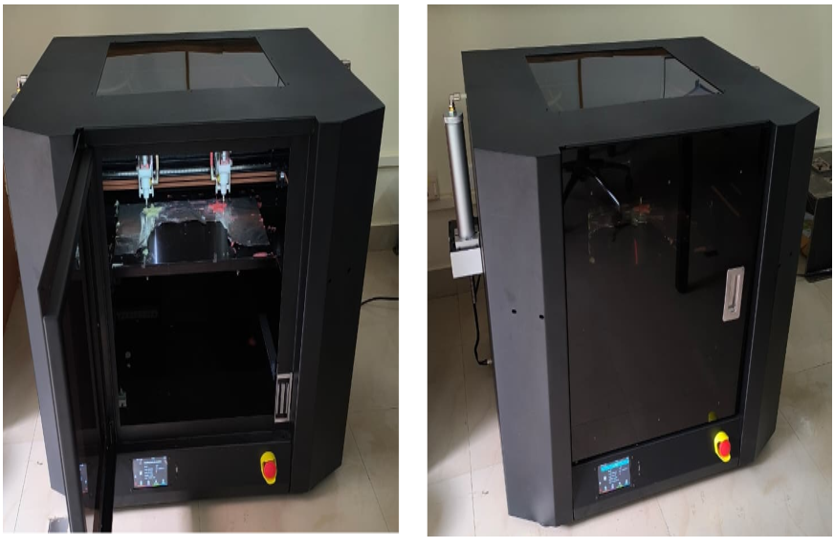
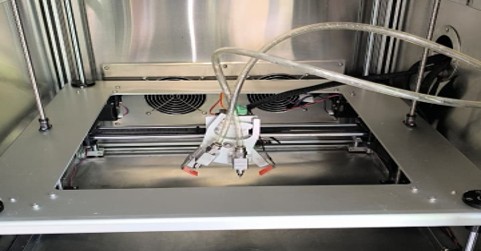
Dual Nozzle
A dual nozzle system for multi-material printing enables the 3D printer to use two different food materials simultaneously during the printing process. This allows the creation of complex food structures with multiple ingredients, textures, or flavors in a single print. The dual nozzle design improves production flexibility, supports layered or combined formulations, and enhances the visual appeal and nutritional customization of printed food products.
Ink Development
Agricultural produce is transformed into specialized food-grade inks enriched with essential nutrients. These carefully engineered formulations enable the creation of healthy, customizable, and printable food materials that maintain both taste and nutritional value.
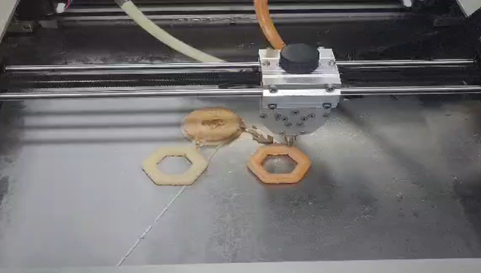
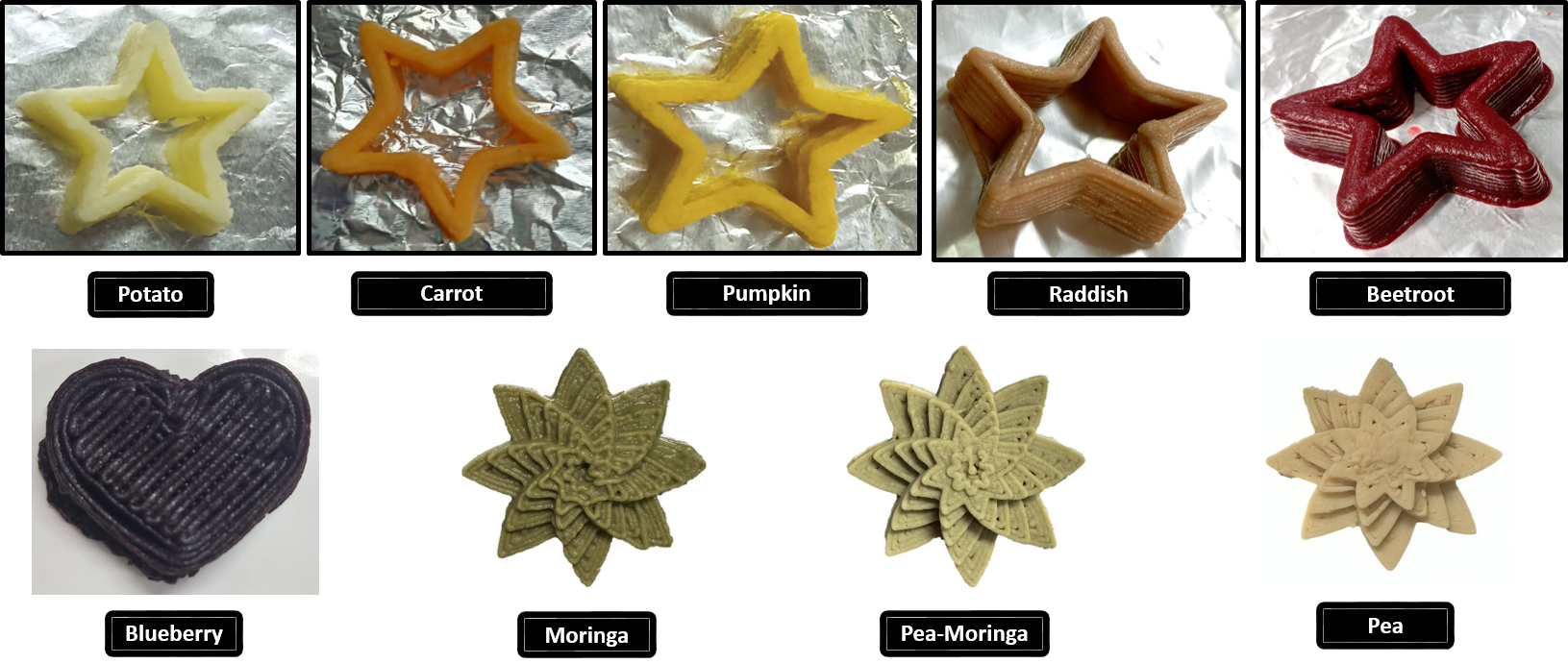
Different Nutrient Enriched Ink
Food inks prepared from a variety of natural sources such as vegetables, fruits, and plant-based proteins. These inks are formulated to retain essential nutrients while enabling smooth and precise 3D food printing, allowing the creation of healthy, customized, and nutritionally enriched food products.
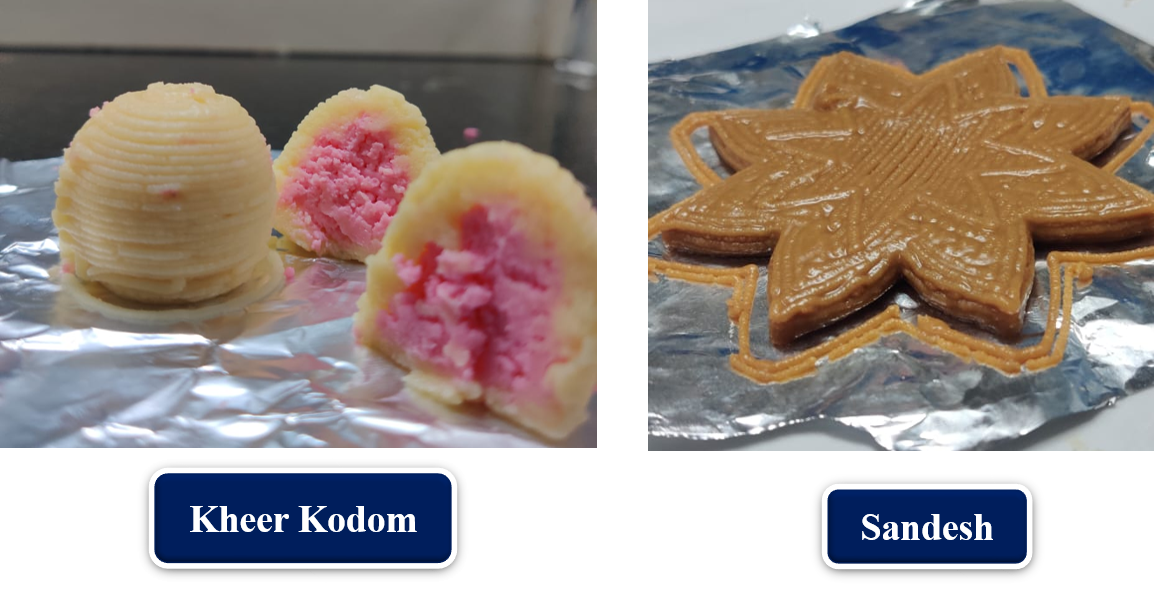
Printed Food Sweets
A modern adaptation of the traditional Indian sweet, 3D printed sweet is created using specially prepared dairy-based food ink. The technology allows precise shaping, intricate designs, and consistent quality while preserving the taste.
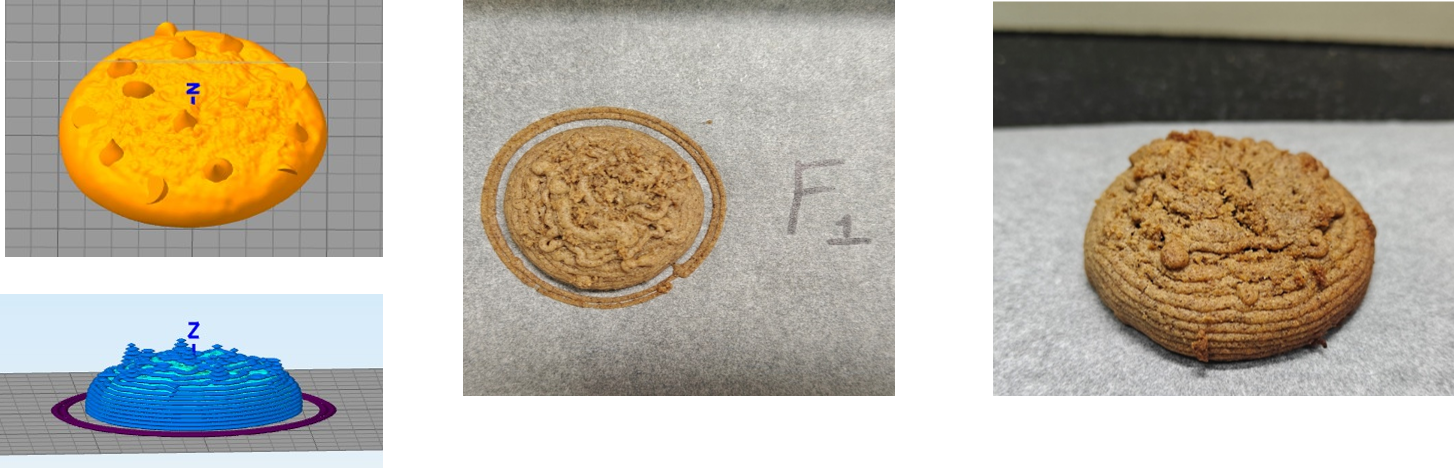
3d printed Cookie
3D printed cookies are produced using nutrient-enriched dough formulated for food printing. This technology enables customized shapes, textures, and nutritional compositions, combining innovation with baking to create visually appealing and personalized cookie products.
Printed Savouries
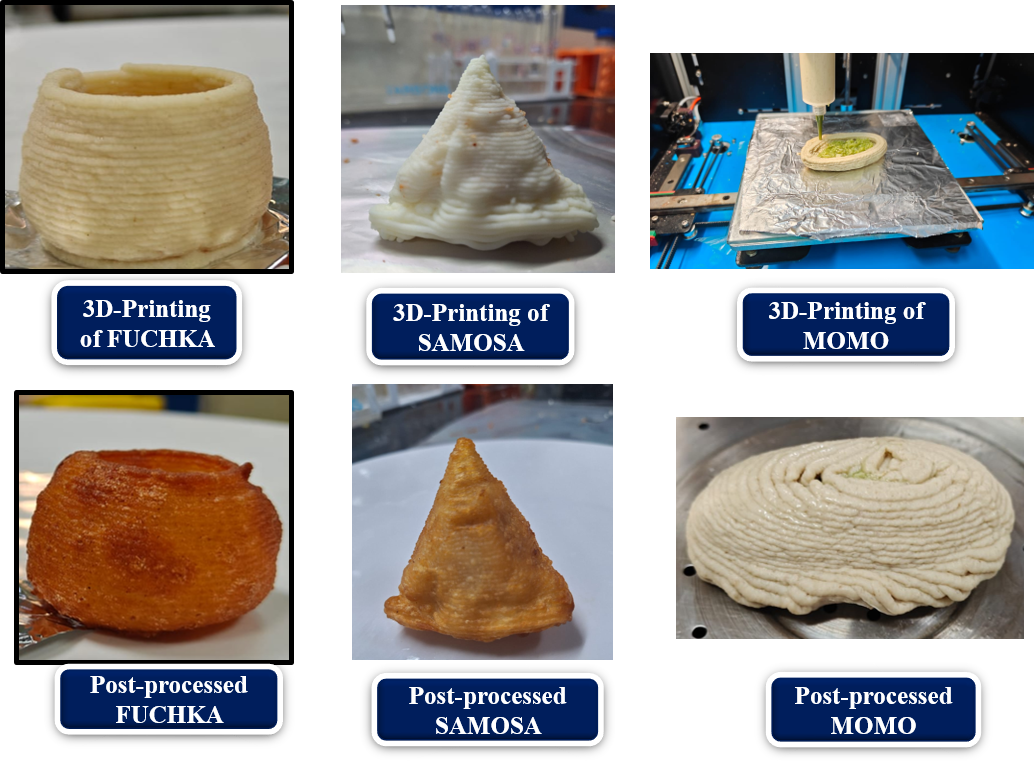
3D food printing technology enables the creation of popular savoury snacks such as momos, fuchkas, and samosas with precise shapes and consistent quality. Using specially formulated food inks made from grains, vegetables, and plant proteins, the printer can form both the outer structure and fillings efficiently. This technology also allows these traditional snacks to be printed in customizable shapes and sizes, ensuring controlled portioning, improved hygiene, and the possibility of enhancing their nutritional value while maintaining their familiar taste and appeal.
Collaborators