
About CPAM-AG&FP
Additive Manufacturing in agriculture and food processing towards sustainable business model.
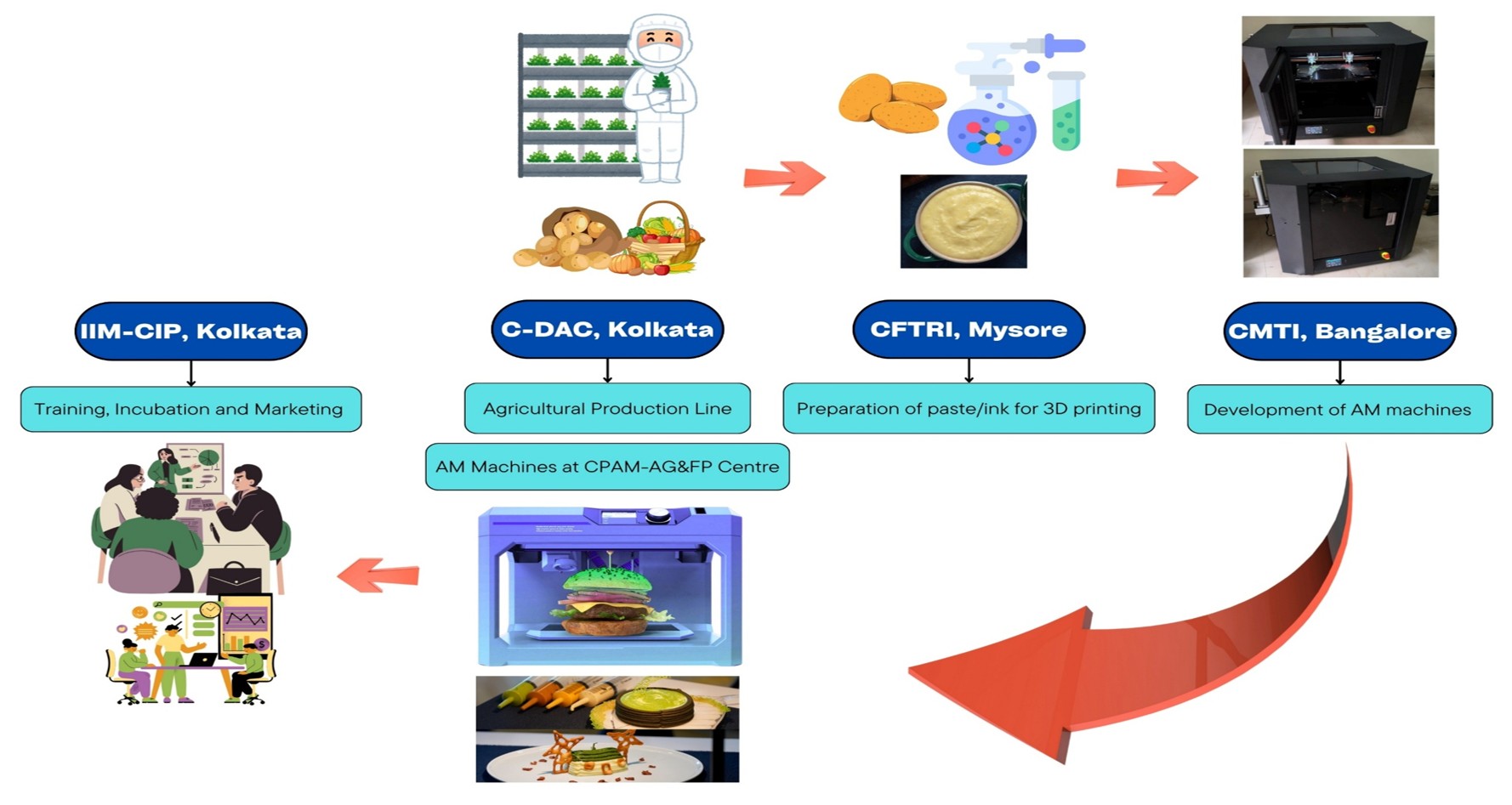
The program aims to develop a technology-driven ecosystem for producing 3D-printed food that is both frozen and nutritionally enriched. This collaborative initiative brings together leading institutions, each contributing specialized expertise to create an integrated production and delivery system.
- C-DAC Kolkata is responsible for developing advanced algorithms to optimize the agricultural production pipeline, ensuring maximum efficiency, optimal resource utilization, and high-quality crop output.
- CSIR-CFTRI Mysore focuses on transforming the agricultural produce into specialized food-grade formulations or “food inks” suitable for 3D food printing.
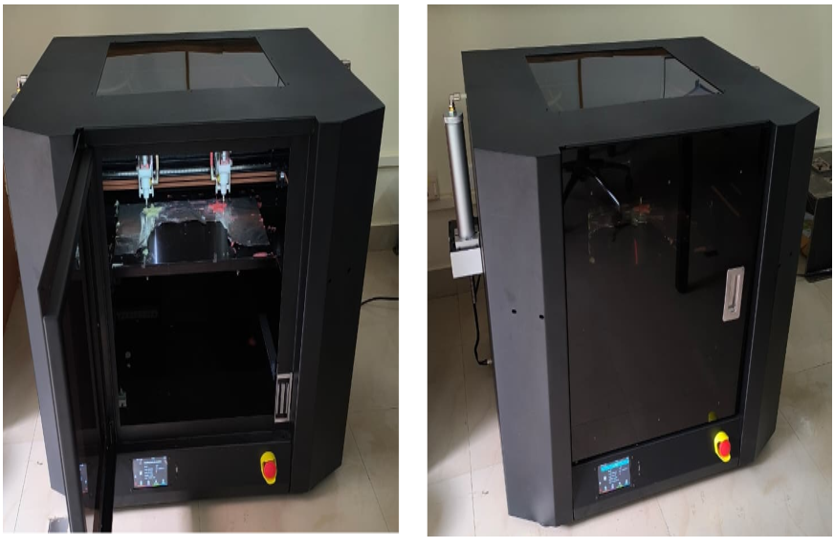
- CMTI Bangalore is tasked with designing and developing the advanced machinery required for precise and reliable 3D food printing.
- IIM Calcutta Innovation Park (IIM-CIP) plays a crucial role in capacity building and commercialization by training skilled manpower and developing effective marketing strategies for large-scale adoption.
CDAC
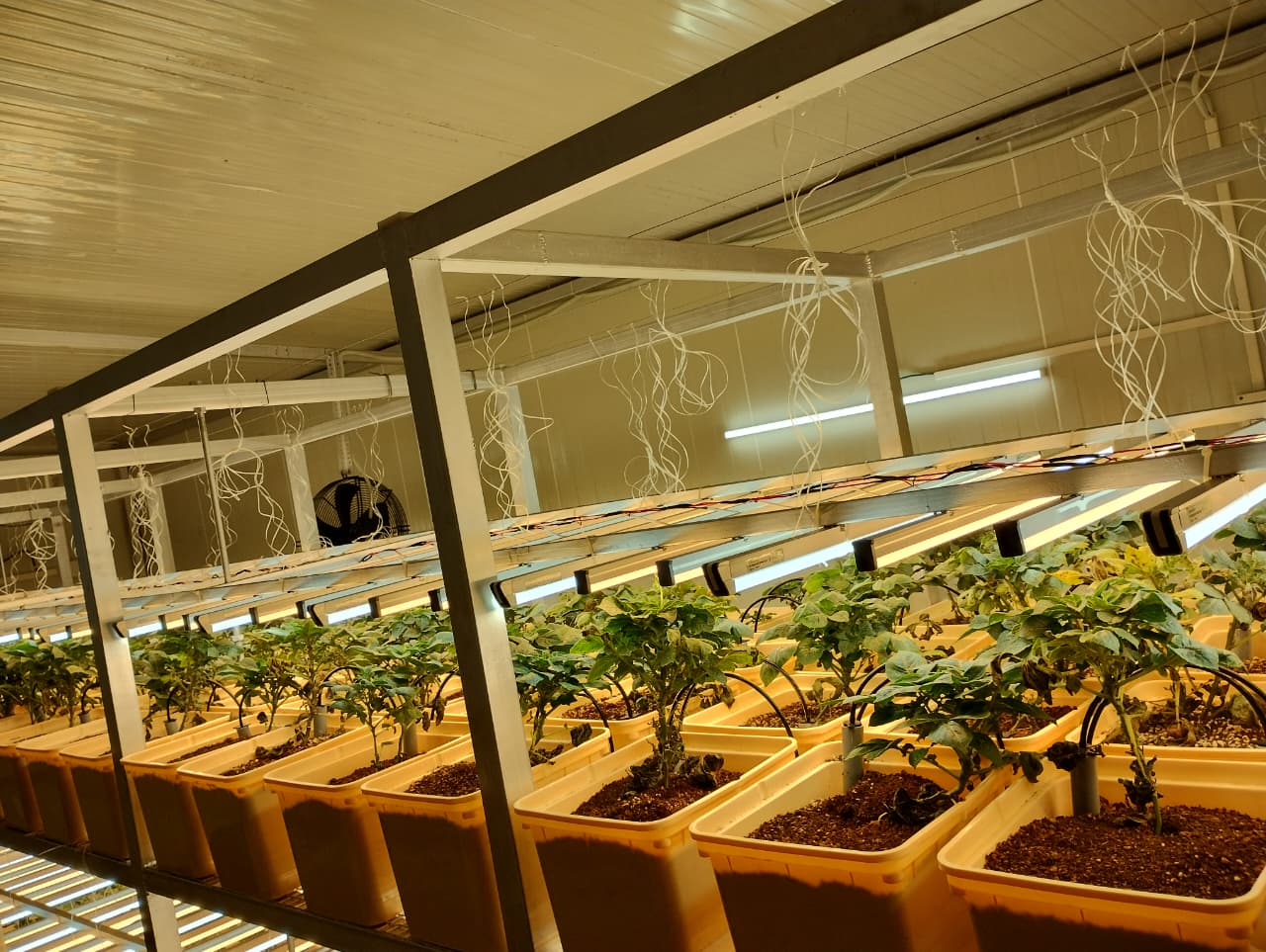
The Centre for Development of Advanced Computing (C-DAC), Kolkata is responsible for developing advanced computational frameworks and intelligent algorithms to optimize the agricultural production pipeline supporting the project. C-DAC focuses on designing data-driven models and control systems to ensure efficient, sustainable, and high-quality agri-production. By integrating sensor data, analytics, and automation, C-DAC aims to determine optimal production conditions, improve yield, and maintain consistency in the raw materials used for 3D food printing. The technologies developed by C-DAC form the digital backbone of the system, enabling smart monitoring, analysis, and decision-making for the entire agri-to-food production process.
CFTRI, Mysore
The Central Food Technological Research Institute (CFTRI), Mysore plays a key role in developing the food formulations required for 3D printing. CFTRI focuses on transforming the agricultural produce into specialized food-grade “inks” suitable for 3D food printing. This involves processing raw materials, optimizing texture and rheological properties, and enriching the formulations with essential nutrients. CFTRI also ensures that the developed food inks meet safety, quality, and nutritional standards, enabling the production of innovative, nutritious, and shelf-stable food products through advanced 3D printing technology.
CMTI, Bangalore
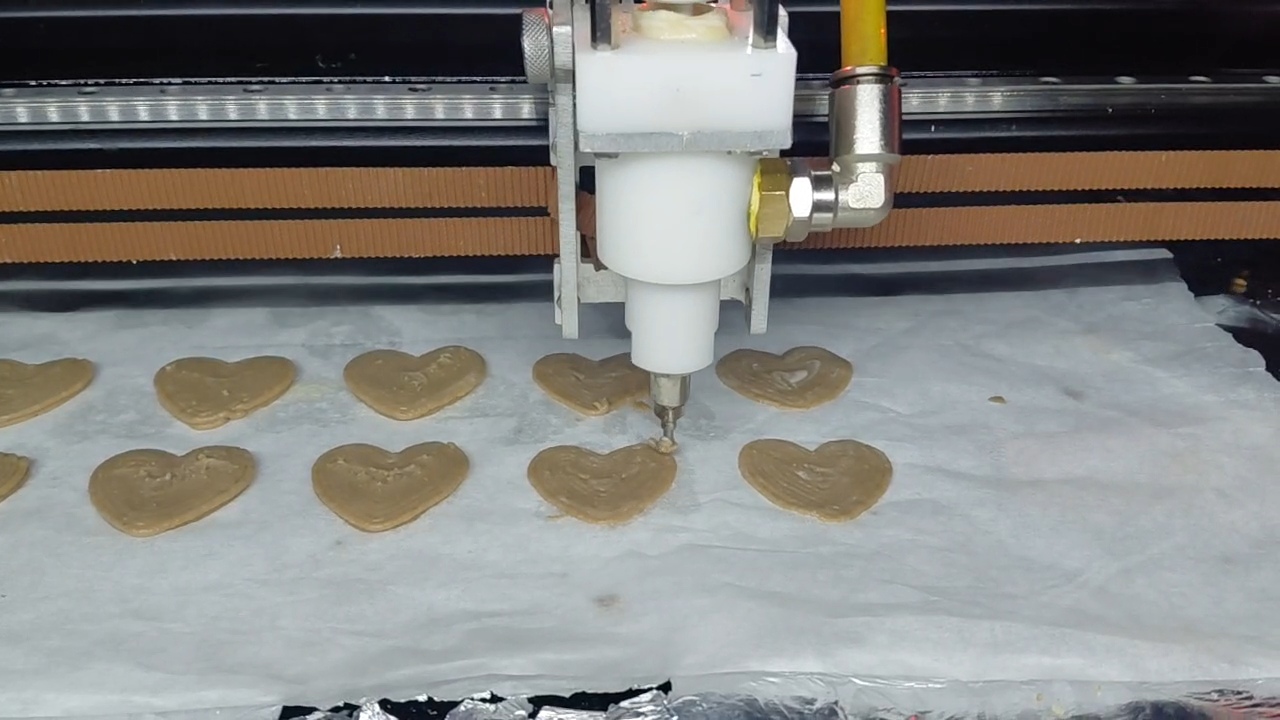
The Central Manufacturing Technology Institute (CMTI), Bengaluru is responsible for the design and development of the advanced 3D food printing system used in the project. CMTI focuses on engineering the specialized hardware and precision mechanisms required to accurately print food products using the nutrient-rich food inks developed in the project. This includes developing the printing architecture, material handling system, and process control mechanisms to ensure consistent shape, texture, and quality of the printed food. Through its expertise in manufacturing technology and automation, CMTI enables reliable, efficient, and scalable production of customized 3D-printed food products.
IIM-CIP
The Indian Institute of Management – Calcutta Innovation Park (IIM-CIP), Kolkata plays a crucial role in supporting the commercialization and sustainability of the project. IIM-CIP focuses on developing business strategies, market positioning, and entrepreneurship support to bring the 3D-printed food technology to real-world applications. The institute also contributes to capacity building by training skilled manpower, fostering innovation, and promoting startup incubation around the developed technology. Through its expertise in innovation management, business development, and market outreach, IIM-CIP helps translate the technological advancements of the project into viable products and scalable business opportunities.